English
 español
 português
 العربية
 한국의
한국의 Polski
 Tiếng Việt
 čeština
 български
Proper installation is vital for maximizing the efficiency, lifespan, and cost-effectiveness of any solar air conditioner for home system, especially those provided by Shanghai STIN Energy Technology Co., Ltd (STIN). Key factors such as accurate site assessment, optimal solar panel placement, correct unit sizing, quality electrical connections, smart control integration, and strategic indoor unit positioning directly influence how well a solar air conditioning for home solution performs. STIN’s professional installation practices ensure that every home solar air conditioner, split solar air conditioner for home, inverter solar air conditioner for home, hybrid solar air conditioner for home, ductless solar air conditioner for home, and off-grid solar air conditioner for home achieves its promised energy savings and comfort.
Common mistakes in installation—like improper solar panel orientation, incorrect sizing, and poor wiring—can significantly reduce efficiency and reliability. STIN addresses these challenges with expert site audits, advanced load calculations, and thorough post-installation testing. Case studies show that families who use STIN products and services enjoy dramatic reductions in energy bills and improved year-round comfort, especially with hybrid and off-grid solar powered air conditioner for home systems.
Overall, the quality of installation is as important as the technology itself. Homeowners seeking sustainable cooling and heating solutions should turn to STIN for customized, professional installation of solar air conditioner for home units, ensuring optimal performance, longer lifespan, and the highest possible energy savings.
Solar air conditioner for home units are transforming the way modern households achieve energy-efficient cooling and heating solutions. With increasing energy prices and a growing emphasis on sustainability, homeowners are turning to solar powered air conditioner for home options, such as the high-quality systems provided by Shanghai STIN Energy Technology Co., Ltd (STIN). The installation process, however, plays a critical role in determining the overall efficiency, lifespan, and cost-effectiveness of these solar air conditioning for home units.
This comprehensive article explores how proper installation practices directly influence the performance of STIN solar air conditioner for home products, integrating essential keywords such as home solar air conditioner, split solar air conditioner for home, inverter solar air conditioner for home, hybrid solar air conditioner for home, solar powered air conditioner for home, energy-efficient solar air conditioner for home, ductless solar air conditioner for home, off-grid solar air conditioner for home, solar panel air conditioner for home, and more.
undefined
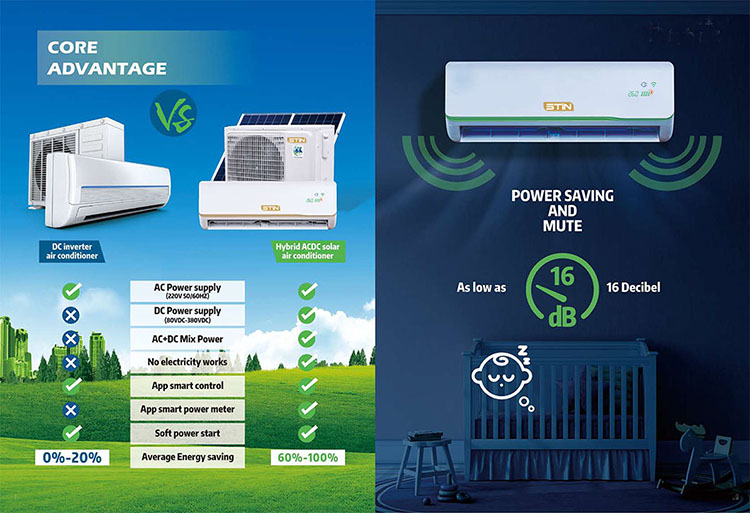
Solar air conditioner for home systems harness energy from solar panels to power cooling and heating processes, reducing reliance on grid electricity. STIN solar air conditioner for home units feature advanced inverter technology, hybrid functions, and flexible setups (split, ductless, and off-grid solutions) to cater to diverse residential needs. The use of solar panels enables these air conditioners to operate with minimal environmental impact while achieving significant savings on energy bills.
Proper site assessment is the first step in maximizing the efficiency of solar air conditioner for home installations. STIN recommends thorough evaluation of roof orientation, shading, and available space before installing solar panel air conditioner for home systems. The angle and direction of the solar panels should be optimized to capture maximum sunlight throughout the day.
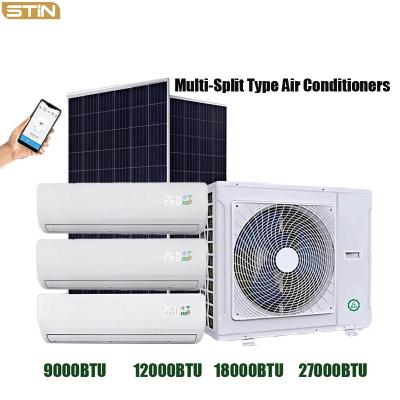
Matching the capacity of the solar air conditioner for home to the cooling requirements of the household is vital. Oversized units lead to energy waste, while undersized systems result in inadequate cooling. STIN uses advanced load calculation tools to determine the optimal size and number of solar panels needed for each specific home installation.
Electrical connections must be expertly managed during solar air conditioner for home installation to minimize energy loss and ensure safety. STIN employs certified technicians who follow industry standards for wiring and component integration, which prevents voltage drops and potential hazards.
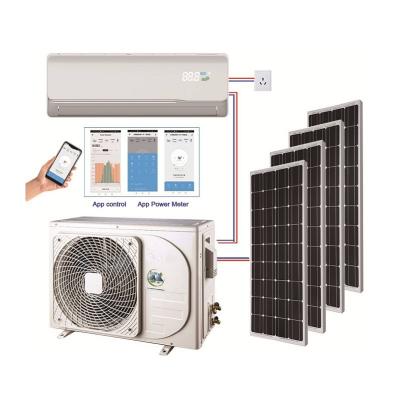
The latest STIN solar air conditioner for home models come equipped with smart controls and remote monitoring capabilities. Proper installation ensures seamless integration of these technologies, allowing homeowners to track energy usage, schedule cooling times, and make real-time adjustments for maximum efficiency.
Placement of the indoor units within the home is crucial. STIN recommends locating solar air conditioner for home units away from direct sunlight and heat sources. In addition, homes should have adequate insulation to reduce the cooling load and enhance the energy efficiency of the air conditioning system.
STIN engineers design solar air conditioner for home installations for easy access and regular maintenance. Poor installation can limit access to key components, making servicing difficult and potentially reducing the efficiency of solar powered air conditioner for home systems over time.
| Consideration | Impact on Efficiency |
|---|---|
| Solar Panel Orientation | Maximizes energy harvest for solar powered air conditioner for home |
| Unit Sizing | Ensures energy-efficient solar air conditioner for home operation |
| Wiring Quality | Reduces energy loss, supports off-grid solar air conditioner for home |
| Smart Control Integration | Optimizes inverter solar air conditioner for home scheduling |
| Indoor Unit Placement | Enhances cooling efficacy for split solar air conditioner for home |
| Maintenance Accessibility | Preserves system longevity and reliability |
Poorly positioned solar panels limit energy collection, especially for solar powered air conditioner for home systems. STIN advises adjusting panel angles based on regional latitude and seasonal sun patterns to maximize output.
Choosing a solar air conditioner for home without calculating the true cooling load can lead to inefficiencies. STIN uses comprehensive energy audits to recommend appropriate inverter solar air conditioner for home capacities and solar panel quantities.
Exposure to moisture or pests can degrade wiring over time, reducing the reliability of off-grid solar air conditioner for home units. STIN ensures all electrical work is protected and compliant with safety codes.
A family in suburban Shanghai opted for a hybrid solar air conditioner for home system from STIN to reduce their energy costs and improve sustainability. The home had multiple rooms, requiring both split solar air conditioner for home and ductless solar air conditioner for home units.
STIN conducted a thorough site assessment, calculated the total cooling load, and recommended a combination of home solar air conditioner units powered by roof-mounted solar panels. Smart controls were integrated for real-time energy optimization. The installation team carefully positioned all indoor and outdoor components, ensuring ideal airflow and minimal sun exposure for indoor units.
Post-installation monitoring showed a 40% reduction in energy bills and consistent indoor comfort. The family enjoyed uninterrupted cooling, even during summer grid outages, thanks to the off-grid solar air conditioner for home backup system.
| Type | Installation Complexity | Efficiency Impact |
|---|---|---|
| Split Solar Air Conditioner for Home | Moderate - Requires placement of indoor/outdoor units | High - Allows tailored cooling for each room |
| Ductless Solar Air Conditioner for Home | Low - Flexible installation in difficult spaces | Medium - Ideal for renovations and add-ons |
| Hybrid Solar Air Conditioner for Home | High - Integration with grid and solar power | Very High - Backup power ensures uninterrupted operation |
| Off-grid Solar Air Conditioner for Home | High - Requires battery storage and robust wiring | High - Independent from utility grid |
When solar air conditioner for home units are installed correctly by STIN’s professionals, homeowners benefit from lower maintenance costs, extended equipment lifespan, and higher annual energy savings. Thoughtful installation also reduces the risk of breakdowns, preserves warranty conditions, and enables optimal use of smart features in inverter solar air conditioner for home and hybrid solar air conditioner for home models.
A: Proper installation can improve the energy efficiency of a solar air conditioner for home by up to 30% compared to poorly installed units.
A: Most homes can accommodate STIN’s ductless solar air conditioner for home systems, while split and hybrid configurations may require structural assessment.
A: Regular cleaning of solar panels, filter replacement, and periodic inspections are essential for maintaining peak efficiency.
Shanghai STIN Energy Technology Co., Ltd is a leading provider of advanced solar air conditioner for home solutions designed for maximum energy savings and comfort. By focusing on meticulous installation practices, STIN ensures that each home solar air conditioner, split solar air conditioner for home, inverter solar air conditioner for home, hybrid solar air conditioner for home, and ductless solar air conditioner for home product achieves its full efficiency potential.
If you are considering switching to a solar powered air conditioner for home, consult with STIN’s expert team for a tailored installation plan. The right installation not only enhances efficiency but also transforms your home into an eco-friendly, cost-effective living space.
Reach out to Shanghai STIN Energy Technology Co., Ltd for detailed consultations, custom installations, and ongoing support for all types of solar air conditioner for home systems. Experience the difference of professional installation and smart energy solutions.
Tags:inverter supplier,solar photovoltaic products price,solar photovoltaic products supplier



 réseau ipv6 pris en charge